
aviator
Enabling self-service in a highly complex configuration tool
Abstract
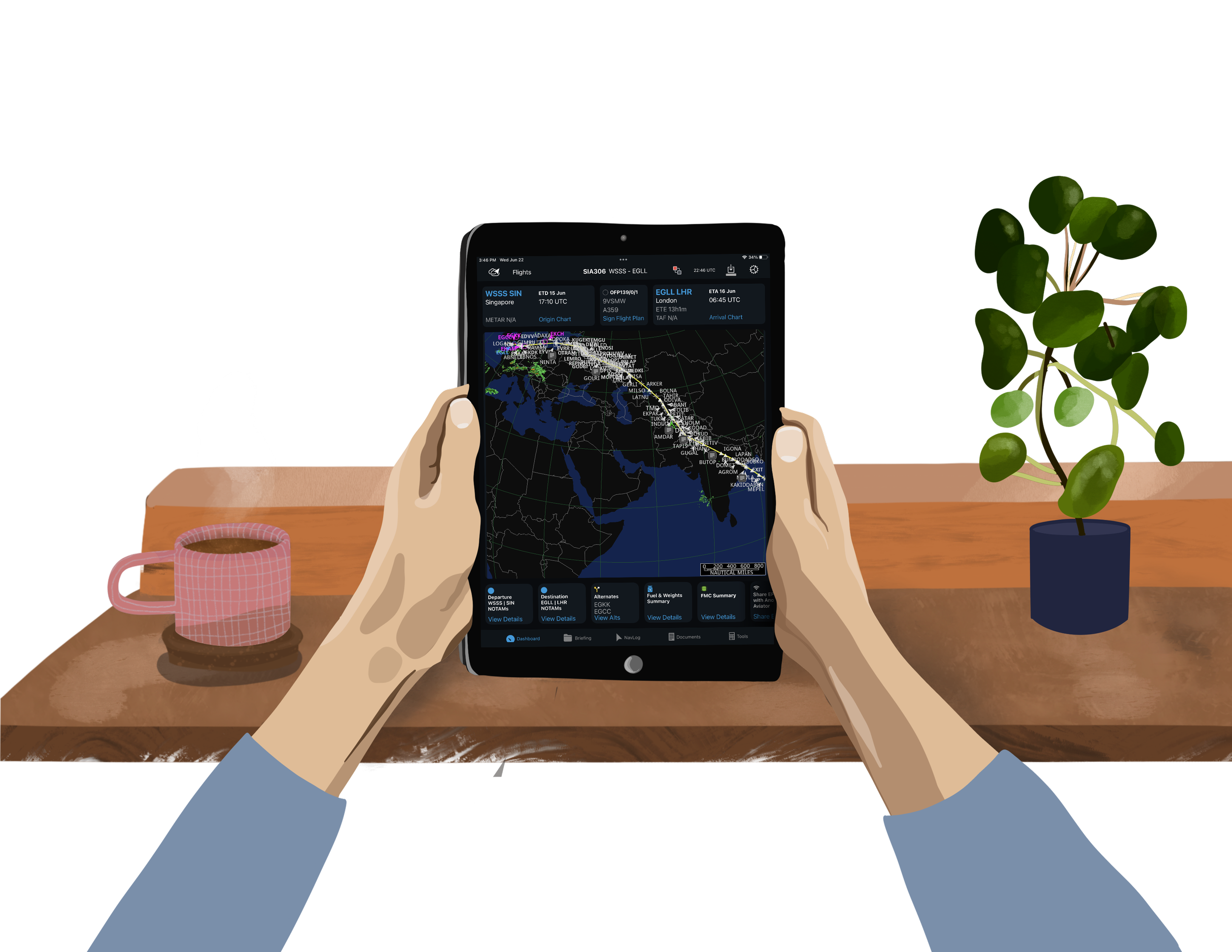
Aviator is a pilot-facing Electronic Flight Bag (EFB) application that supports highly customized operational workflows. The Aviator Configuration Tool (ACT), used by admins to customize the system for end users, had grown increasingly complex, with inconsistent navigation and workflows that made it difficult for admins to find and manage what they needed.
I led the redesign of ACT and the creation of the Aviator Design System, helping align the tool’s structure with how admins actually think about configuring Aviator, while maintaining consistency across the broader product.
Goal: Empower airline admins to self-serve their configuration files efficiently and confidently.
My Contribution
Led end-to-end UX design across research, information architecture, and interaction design
Conducted user interviews and workflow analysis with admins and internal experts to uncover pain points
Designed prototypes and IA improvements, iterating with stakeholders and engineers
Created and consolidated the Aviator Design System to ensure clarity and consistency
The problem
Aviator is a highly customizable, pilot-facing application that allows airlines to tailor operational workflows to their specific needs. The Aviator Configuration Tool (ACT) is a web-based platform that supports the Aviator iOS app, intended to empower customers to self-serve and manage configuration changes independently.
When I joined the project, only about 30% of users were successfully self-serving their configuration changes. This placed a heavy burden on the Aviator team, pulling resources into manual support work and limiting our ability to focus on more innovative initiatives.
A System Grown Complex
As Aviator matured, so did ACT. The tool had grown to include over 850 configuration points spanning a wide range of workflows. The sheer number of options made the tool daunting, and its structure had become tangled; like a jumbled bundle of wires hidden behind a sleek, functioning piece of technology. It was understandable that no one wanted to deal with it.
A Diverse and Demanding User Base
The user base was highly varied. Airline admins come from many different backgrounds, managing fleets of all sizes, and using varying levels of customization. The tool needed to support admins who constantly tweaked pilot views, while remaining approachable for those who rarely made changes and could feel intimidated by new features. Balancing this range of needs while untangling the tool’s complexity was a key challenge.
Project scope
Our team, myself, two developers, and a project manager, set out to understand what wasn’t working in ACT and identify the changes that would enable admins to confidently self-serve their configurations.
Research
I conducted an audit of the existing tool and identified over 20 usability issues, ranging in severity. When I presented my findings to the product manager, we agreed to focus on correcting as many of these high severity issues as possible while prioritizing the redesign of the most critical flows.
Because direct customer access was limited, I conducted multiple interviews with internal SMEs who regularly support those customers unable to self-serve configuration changes. These interviews helped surface recurring pain points and informed key design decisions.
Redesign focus areas
The redesign centered on three key principles:
Contextual
Create a dashboard and editing experience that provides the right level of detail at the right time.
Organized
Structure the editor to mirror Aviator’s core application, reducing friction and increasing user confidence.
Intentional
Design a dynamic platform informed by the user journey, intuitive enough for both airline customers and internal Boeing users.
Design system & status
In parallel with the redesign, I created a design system for ACT to document the new patterns and components. This system became a shared resource for both designers and developers, supporting consistency as the product evolved.
The MVP redesign effort is ongoing. If you’d like to learn more about my work on Aviator or ACT, feel free to reach out.
Thanks for visiting!
Please feel free to contact me to learn more about my work.