
The Hatch Restore
A UX case study on trust, clarity, and emotional design
Abstract
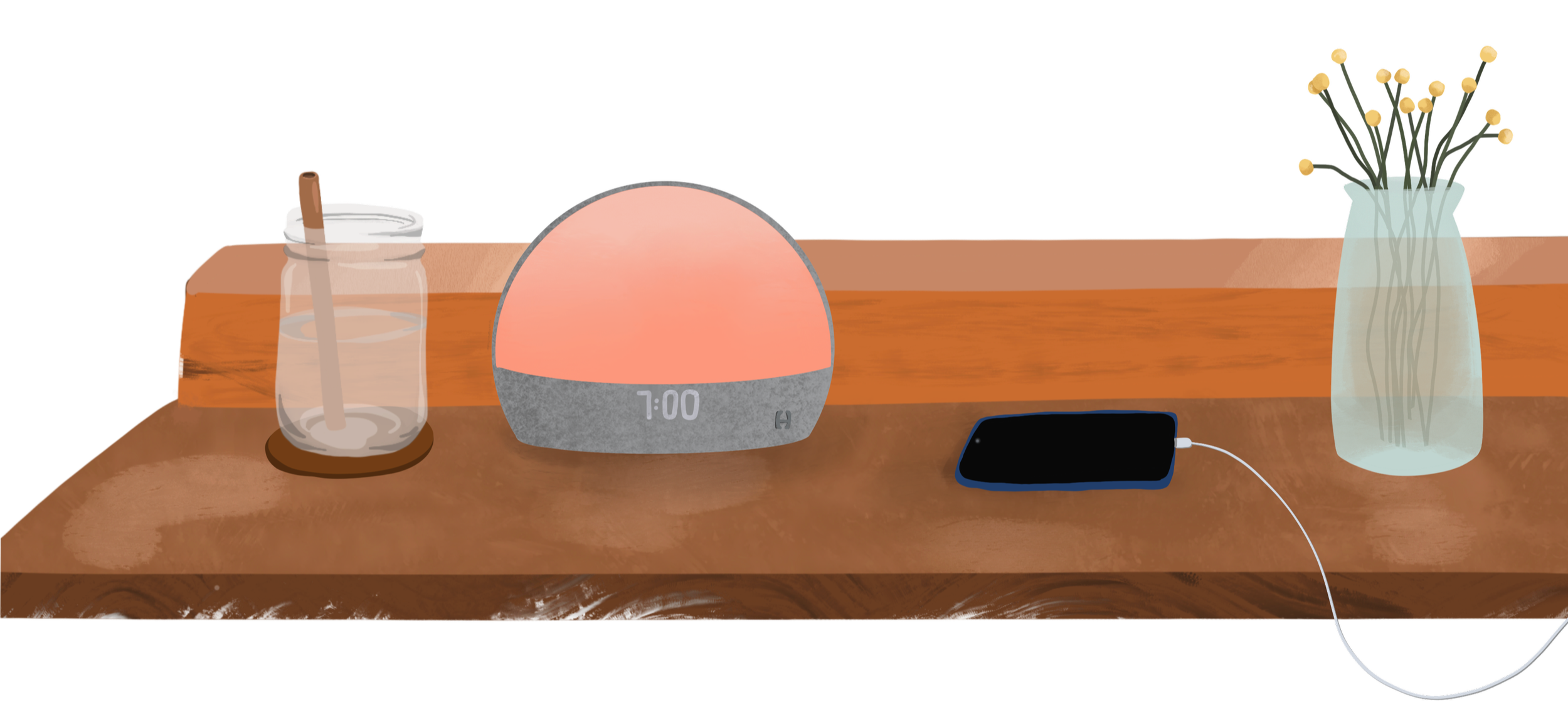
Hatch is a sleep and wellness company that originally built baby monitors for new parents. As they expanded into sleep devices for adults, they ran into a disconnect with this new audience. Users didn’t just struggle to complete tasks; they questioned whether the system was working for them at all.
We set out to understand what adult users were actually trying to achieve, how they experienced the device in practice, and what insights could meaningfully shape a redesign.
The Team
Two UX Researchers
My Contribution
Research, Affinity Mapping, and Creating “User Mindsets”
Medium
Hatch Restore
Mobile
Techniques
User Interviews
Affinity Mapping
User Mindsets
Tools
Miro
Methodology & Participants
We selected participants based on Hatch’s target adult demographics, including:
Income
Age
Interest in sleep improvement and overall wellness
Each participant began with a one-hour interview covering their health, sleep habits, and wellness routines. They then used both the app and the physical device for two weeks, completing weekly surveys along the way. After the study period, we conducted a final one-hour interview to talk through their experience and gather feedback.

What we found
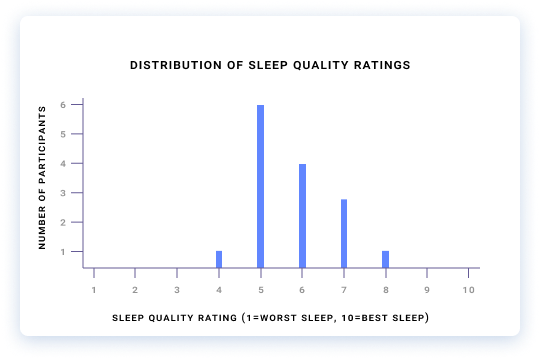
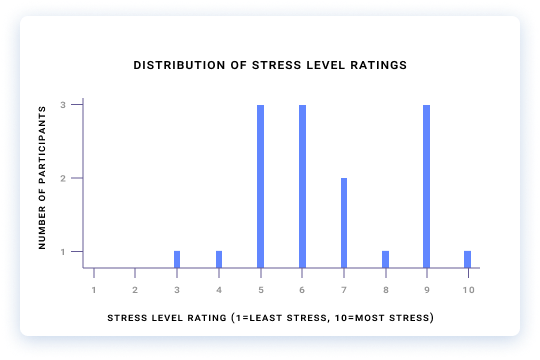
During the initial intake conversations, we learned that our participants consistently reported struggling with sleep, health, and stress.
Sleep was most often described as “just okay.” People were spending enough time in bed, but the quality wasn’t there. Few could clearly define what good sleep meant to them, but everyone wanted it to improve.
Asking the right questions
Partway through the interview process, we noticed that a few of our questions were consistently generating short responses. While almost every participant with a partner reported that their partner’s sleep habits affected their own, we weren’t able to gather any meaningful feedback. It wasn’t until we rephrased our question that participants began to elaborate. Adjusting our script helped generate deeper and more valuable discussions.
Original question:
“How does having a partner impact the way you sleep and/or use sleep aides?”
Responses were short, ambiguous, or highly generic.
Revised question:
“How can we support both you and your partner’s sleep?”
This helped participants pause and reflect on what they actually need for a supportive sleep environment.
Key insights
Following both rounds of interviews, we combined our notes and survey responses into an affinity map. This helped us identify common themes and distill our research into key discoveries to guide the product and application redesign. While we shared the full research findings with Hatch, we highlighted the insights that were most actionable and impactful.
1. Users recognize sleep as essential to health
Nearly every participant acknowledged that sleep significantly impacts their well-being. They showed a strong interest in self-improvement and learning.
How might we leverage their curiosity and drive for self-improvement to encourage consistent usage?
2. Users are data-driven and expect tracking in “smart” devices
Participants wanted the ability to track metrics such as hours slept or number of snoozes, and to provide feedback to customize their experience. Some indicated that tracking features could be a compelling premium offering.
How might we design a tracking feature that complements existing apps rather than competing with them?
3. Hatch is associated with babies.
Whether due to branding or past product focus, most users perceived Hatch as a baby product.
How might we introduce more authority and expertise in adult sleep?
4. Users need time to see the value of premium
Participants reported an increased sense of value and investment in the device after about a week of use.
We recommended delaying premium prompts until users have experienced the product’s benefits.
User Mindsets
From our user research and affinity mapping, we identified four distinct user mindsets. These mindsets helped us understand what each type wants, how they feel, and how they measure success. Based on our analysis and understanding of the product, we recommended that Hatch focus on attracting and retaining users with the enthusiast and nurturer mindsets. These users are more likely to recognize the product’s value and align closely with the company’s ethos and branding. Once Hatch establishes a consistent adult user base, they will have greater flexibility to explore opportunities that appeal to a wider variety of users and mindsets.

The nurturer
Wants to be guided but support is more important than structure
Feels nostalgic for the bedtime routine they had as a child
Measures success through feeling rather than data

The analyst
Wants a clear goal and a plan with proven success
Feels less confident in solutions that seem fluffy and unscientific
Measures success through objective data, enjoys visualizing progress over time
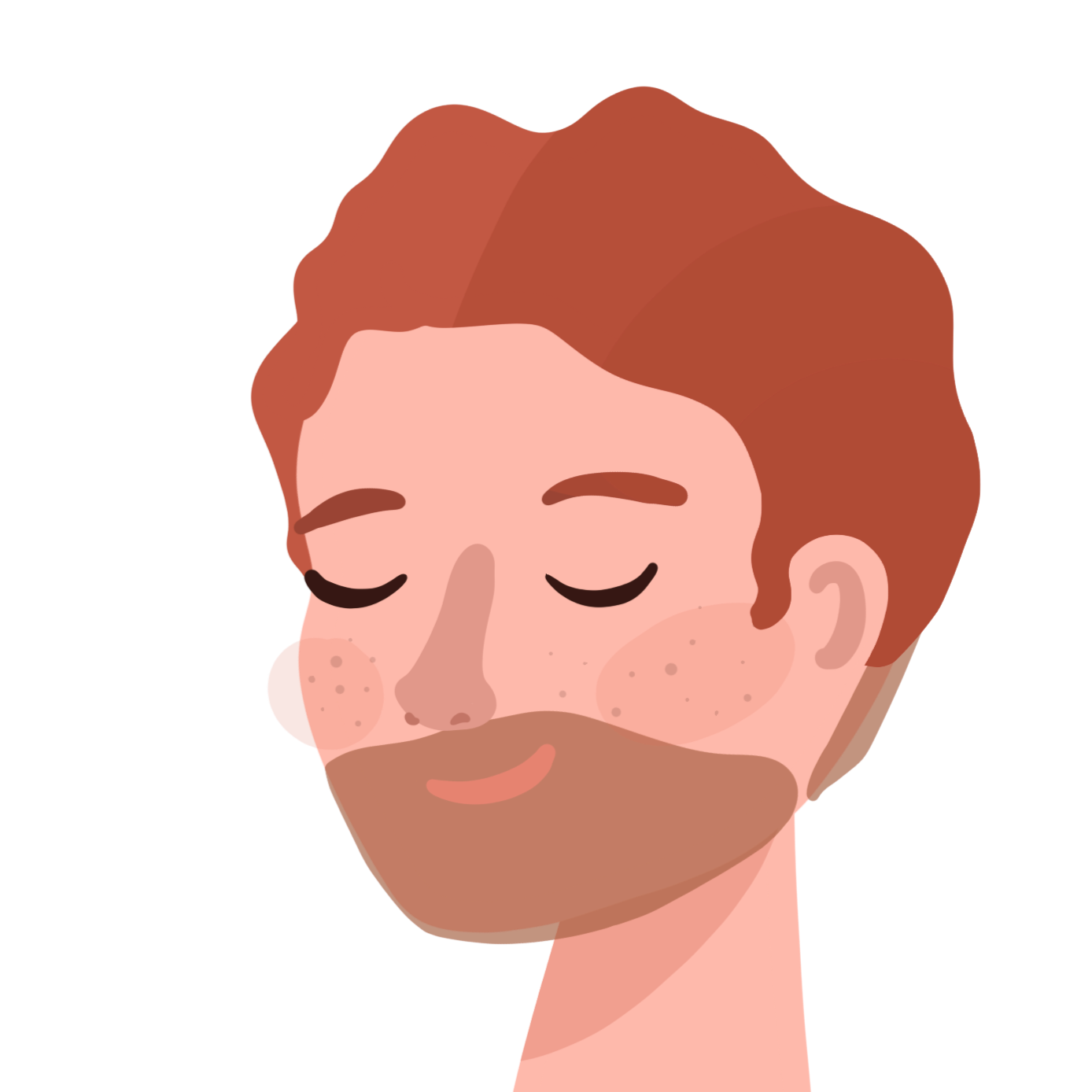
the freethinker
Wants to be educated but not told how to behave
Feels they intuitively understand what they need, but are less sure of how to get it
Measures success in terms of if they are able to live their ideal lifestyle
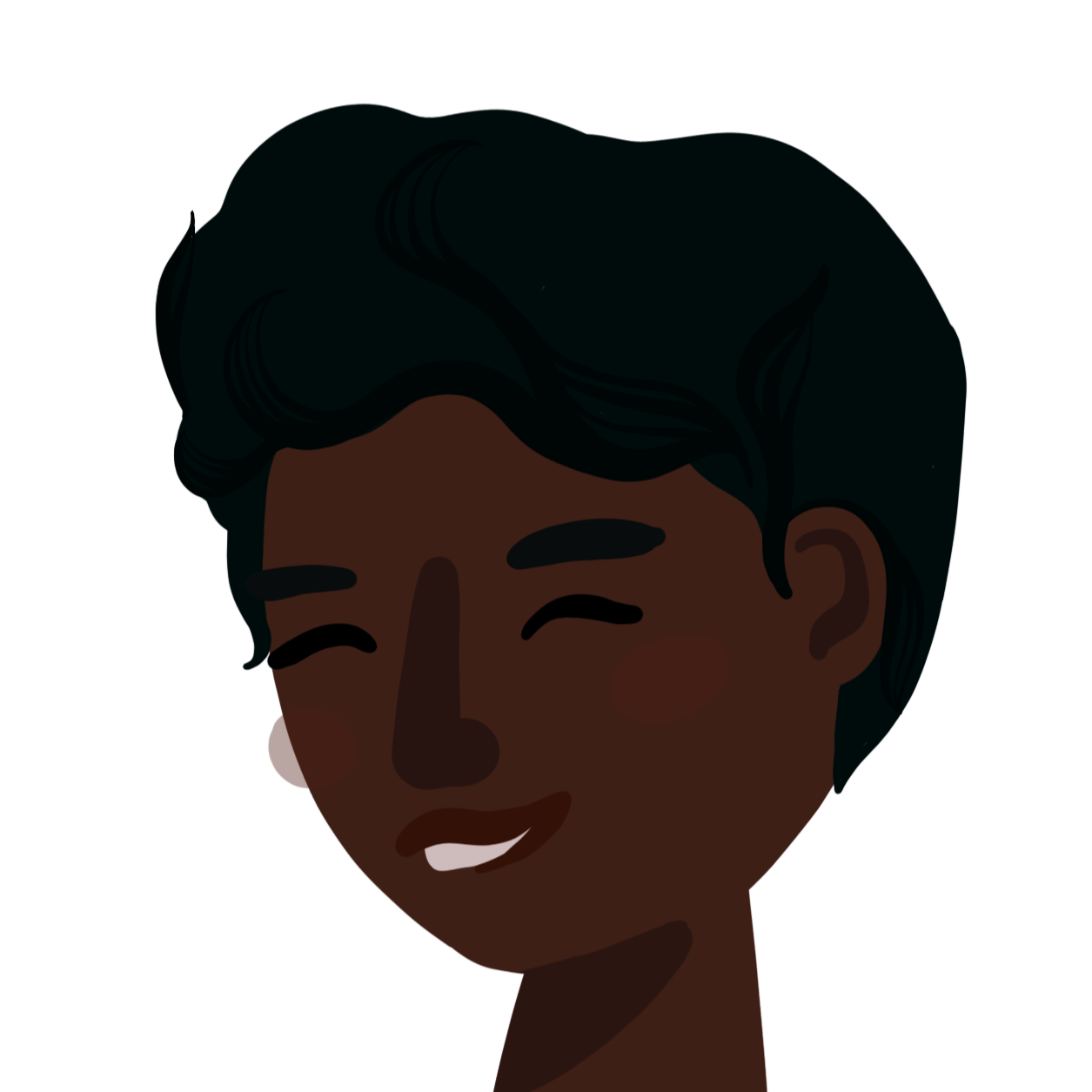
The Enthusiast
Wants variety and to be entertained
Feels excited by trying the latest and greatest methods and technology
Measures success through consistent usage
Reflection
This work showed that restoring user trust required designing for reassurance as much as usability. By making system state and intent more visible, we reduced uncertainty in moments where users were most vulnerable to doubt. These principles now inform how I approach complex systems, especially where clarity, timing, and emotional context are as important as task completion. This project reflects how I approach UX: emphasizing trust, clarity, and emotional safety.
Thanks for visiting!
Please feel free to contact me to learn more about my work.